Decoding the "Small Container for Fruit" Crossword Clue: The Ubiquitous Punnet
For avid crossword enthusiasts, few phrases are as satisfying to decipher as those that describe common, everyday objects in a slightly oblique way. One such perennial favorite, often leaving solvers racking their brains for the perfect fit, is the clue "Small container for fruit." If you've ever found yourself pondering this six-letter enigma, particularly from popular puzzles like the Metro Quick mini or the Sydney Morning Herald, you've likely come across the elegant solution: PUNNET.
This humble yet essential word perfectly captures the essence of those shallow, often delicate baskets or trays designed to hold an array of fresh produce. It's a clue that appears frequently across various publications, a testament to its common usage and the delightful conciseness of the answer. When you’re faced with a six-letter slot and the description "Small container for fruit," a punnet is almost always the intended target. Its prevalence in everyday life, combined with its precise, distinctive name, makes it an ideal candidate for crossword setters looking for a word that is both familiar and slightly less obvious than, say, "box" or "crate."
The beauty of a well-crafted crossword clue lies in its ability to hint at an answer without giving it away immediately. "Small container for fruit" does just that, guiding you towards an object that is light, specific to certain types of fruit, and often associated with retail display. Whether you're a seasoned solver or just starting out, recognizing these patterns can significantly speed up your puzzle-solving process. For more in-depth strategies and a full reveal, you might find our guide Solve "Small Container for Fruit": 6-Letter Crossword Revealed incredibly useful.
Unpacking the Punnet: More Than Just a Crossword Answer
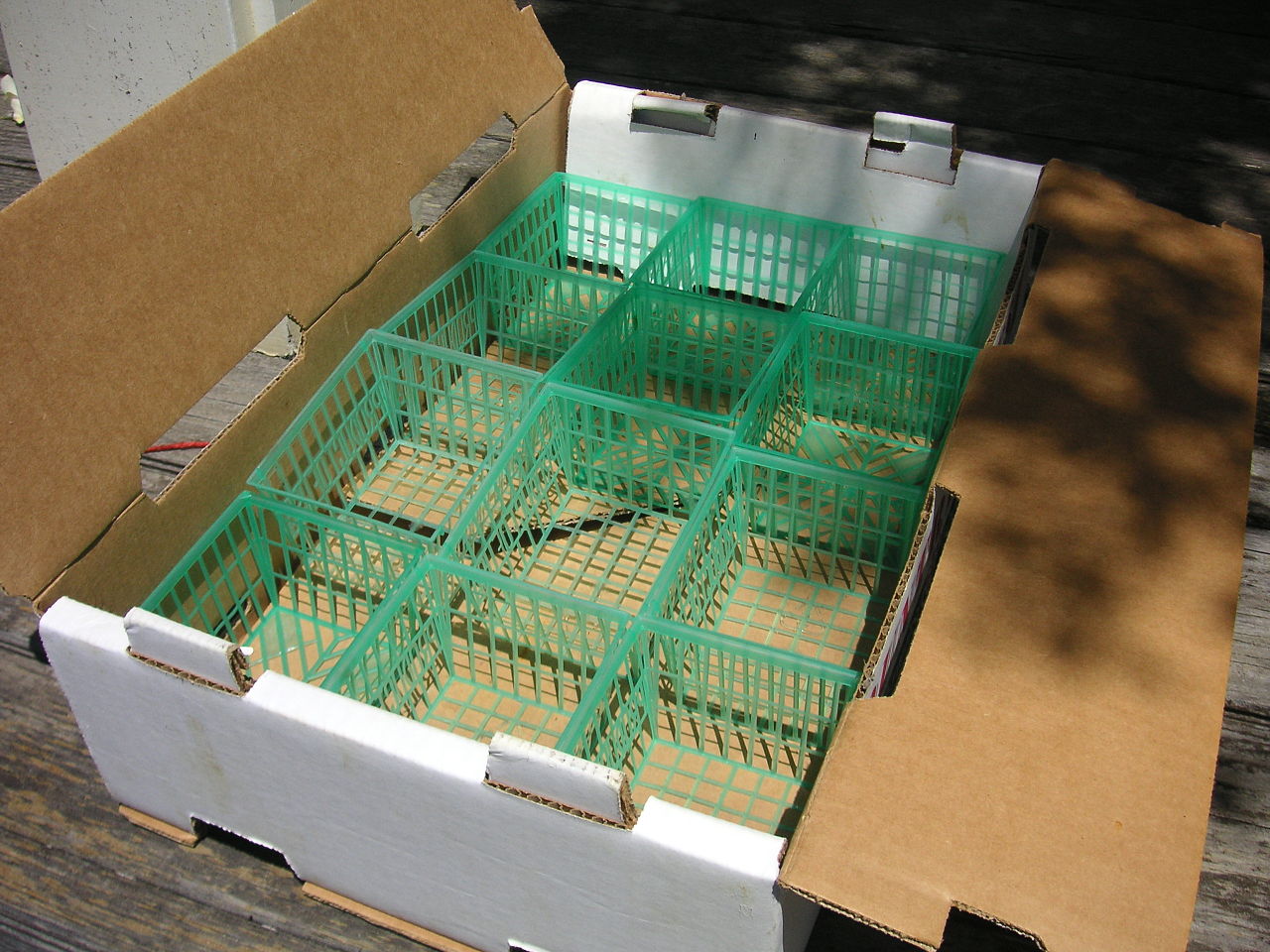
Beyond its utility in crosswords, the punnet holds a significant place in the journey of fresh fruit from farm to table. At its core, a punnet is a small, light basket or shallow container, traditionally made from thin wood veneer or woven material, but more commonly now from plastic or molded pulp. Its primary purpose is to protect delicate fruits, particularly soft berries, from bruising and damage during harvesting, transport, and display.
Think of your typical supermarket run: when you pick up a carton of vibrant strawberries, a punnet is almost certainly what you're holding. The same goes for plump raspberries, juicy blueberries, and glistening cherries. These fruits are notoriously fragile, and a well-designed punnet cradles them, preventing them from being crushed under their own weight or by other produce. The shallow design allows for easy inspection of the fruit's quality, while the often-perforated structure ensures adequate airflow, helping to maintain freshness and prevent spoilage.
Historically, punnets were woven baskets, embodying a rustic charm that hinted at direct-from-the-farm freshness. Over time, materials evolved to prioritize efficiency, hygiene, and cost-effectiveness. The transition to plastic offered durability and consistency, while more recent innovations are seeing a shift towards sustainable, biodegradable options. Regardless of material, the fundamental role of the punnet remains unchanged: to serve as a reliable small container for fruit, ensuring it arrives at your home in the best possible condition.
The Practicality and Environmental Footprint of Fruit Punnets
Punnets are not just a convenience; they are an integral part of the modern fruit supply chain. Their widespread use by growers and retailers stems from several practical advantages:
- Protection: As mentioned, delicate fruits like berries require individual compartments or minimal stacking to avoid damage. Punnets provide this crucial protective layer.
- Portion Control: They allow for standardized portion sizes, which is convenient for consumers and helps retailers manage inventory and pricing.
- Hygiene and Safety: By containing fruit, punnets reduce direct handling by multiple customers, improving hygiene and minimizing contamination risks.
- Display and Marketing: Transparent punnets showcase the fruit beautifully, attracting buyers. Their uniform size also makes for neat, appealing displays in supermarkets.
- Logistics: Punnets are designed to be stackable, optimizing space during storage and transport, which is crucial for efficient distribution networks.
Towards Sustainable Solutions
However, the environmental impact of plastic punnets has become a significant concern. Millions of these containers are used daily, contributing to plastic waste streams. This has spurred innovation in packaging, leading to the development of more eco-friendly alternatives:
- Recycled PET: Many plastic punnets are now made from recycled PET (rPET), reducing the demand for virgin plastics.
- Compostable Materials: Punnets made from molded pulp, bagasse (sugar cane waste), or corn starch are gaining popularity, offering a compostable end-of-life option.
- Cardboard Punnets: Simple cardboard trays, sometimes with a bio-film lining, are another increasingly common sight, especially for organic produce.
As consumers, we can contribute by choosing sustainably packaged fruits, and by properly recycling or reusing our punnets where possible. Many plastic punnets are recyclable in curbside programs, but it’s always wise to check local guidelines. Reusing them for seedling trays, organizing small items, or even for packing lunches are creative ways to extend their life. For those who enjoy tackling tricky word puzzles, understanding the nuances of such common clues, including hints and alternative solutions, can be further explored in our dedicated resource: "Small Container for Fruit" Crossword Clue: Hints & Solutions.
Mastering Crossword Clues: Beyond "Small Container for Fruit"
Solving crosswords is a skill that develops with practice and a keen eye for patterns. The "Small container for fruit" crossword clue, with "PUNNET" as its answer, serves as an excellent case study for mastering similar challenges. Here are some general tips that can help you tackle a variety of clues:
Pay Attention to Word Length:
The number in parentheses, like (6) for "punnet," is your most direct hint. It immediately narrows down the possibilities significantly.Consider Synonyms and Definitions:
Crossword setters love to use synonyms, descriptive phrases, or even slightly archaic terms. Think broadly about the meaning of the words in the clue. "Small container for fruit" could be interpreted in many ways, but the length helps filter to the most precise fit.Look for Common Objects and Concepts:
Many clues point to everyday items, places, or concepts. If a clue describes a tangible object, visualize what it might be and then try to think of its less common, but still accurate, names.Utilize Cross-References:
The letters you fill in from intersecting clues are invaluable. Even one or two letters can turn a seemingly impossible clue into an obvious one. For example, if you have a 'U' and an 'N' in place, "PUNNET" might jump out at you.Identify Clue Types:
Some clues are straightforward definitions, others are cryptic, anagrams, or puns. Recognizing the type of clue can help you apply the correct solving strategy. While "Small container for fruit" is a fairly direct definition, others might require more lateral thinking.
Understanding that clues often refer to specific, common items like a punnet highlights a fundamental aspect of crossword design. Setters frequently draw from a pool of universally recognized objects, activities, or concepts that have concise, distinctive names. Developing an awareness of these frequently used answers and the types of clues that lead to them is a hallmark of an expert crossword solver.
Conclusion
Whether you're celebrating a successful crossword solve or simply appreciating the journey of your fresh berries, the punnet is a fascinating object. More than just a simple receptacle, it plays a vital role in our food system and offers a satisfyingly precise answer to the popular "Small container for fruit" crossword clue. By understanding its function, evolution, and environmental considerations, we gain a deeper appreciation for the everyday items we often take for granted. And for those who delight in the intellectual challenge of crosswords, remembering the humble punnet might just be the key to unlocking your next puzzle victory, reminding us that even the most common objects can hold clever answers.